
Media Buying Explained: Where to Buy Ads in 2026
The average person sees over 6,000 ads per day. Every single one was bought.
That sponsored result on Google, the pre-roll YouTube ad, the product on a review site you trust a brand paid to put it there.
That process is called media buying, and it’s the foundation of how brands grow online.
In this guide, we’ll cover what media buying is, how it works, the main types of digital placements brands use in 2026, and the platforms running them. We’ll also cover the premium placements that don’t show up on self-serve ad tools and how partnering with a performance marketing agency lets you outsource media buying entirely and only pay when a sale is made.
- Media buying is the process of purchasing ad space across digital channels to reach a defined audience.
- Digital placements dominate the mix search, social media, video, native, connected TV, and retail media each play different roles.
- Premium placements like card-linked offers, top review sites, and trusted blog partnerships drive higher trust and stronger conversion rates than open-auction inventory.
- Performance marketing flips the traditional model: instead of paying upfront for impressions or clicks, you only pay when a lead, call, sale, or install actually happens.
- Working with a performance agency gives brands access to media buying across premium placements from card-linked offer networks and top review sites to paid social, search, and editorial partnerships matched to the channels that fit your offer, audience, and conversion goals.
Table of Contents
- What Is Media Buying?
- Media Planning vs. Media Buying
- Types of Media Buying & The Media Buying Process
- Paid Advertising Channels in 2026
- Popular Media Buying Platforms
- Premium Placements: Where Real Trust Lives
- Performance-Based Media Buying
- Media Buying Tips
- How Yep Ads Buys Media for Brands
- FAQs
What Is Media Buying?
Media buying is the process of purchasing ad space online to get your brand in front of the right audience. The goal is straightforward: reach the right people, in the right context, at the most efficient cost possible.
What it’s not is just clicking “boost post” and hoping for the best. Real media buying involves strategy, negotiation, targeting, tracking, and continuous optimization whether you’re running programmatic display campaigns through a DSP (Demand-Side Platform negotiating direct deals with publishers.
Done well, it’s one of the most measurable ways to grow.
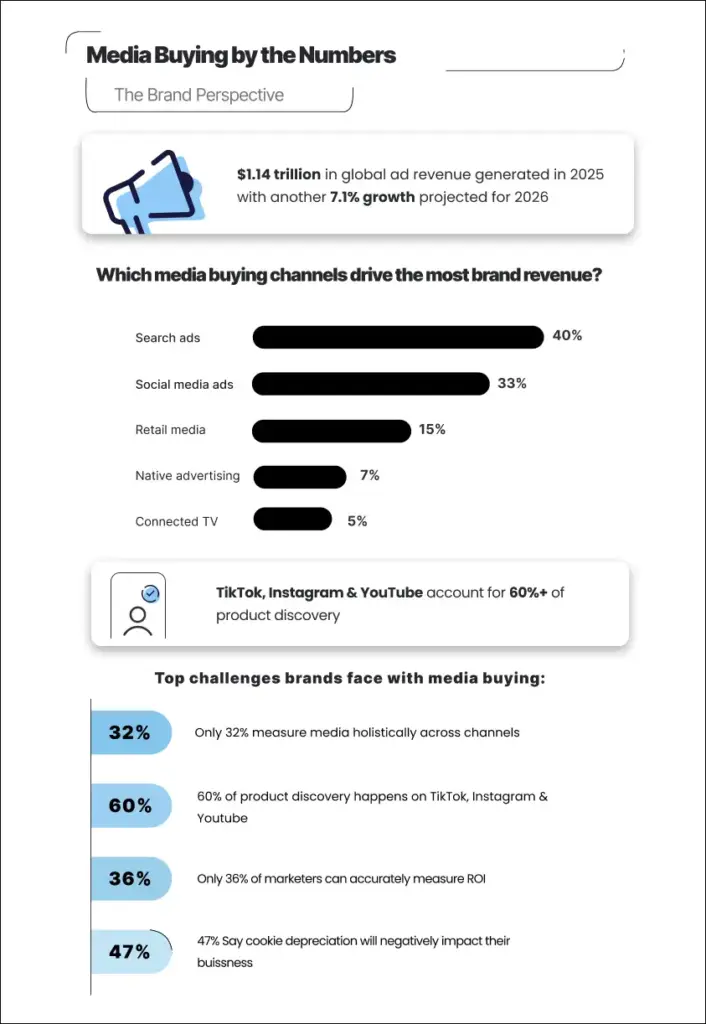
Image source:Yepads
Sources :IAB / PwC IAB 2026 Outlook Study Sprout Social
Media Planning vs. Media Buying
These two terms get used interchangeably here’s what makes them different:
Types of Paid Advertising in 2026
Not all ad placements are created equal. Here’s a breakdown of the main channels brands are buying in 2026 and what actually makes each one worth your money.
Social Media Ads
Meta, TikTok, X if your audience is online, they’re on at least one of these. Social traffic is still one of the most effective channels for scalable customer acquisition, and the gap between brands doing it well and brands just boosting posts is wider than ever. The secret? Strong creatives fed into a smart algorithm. Short-form video is dominating right now, and the brands winning aren’t necessarily the ones with the biggest budgets, they’re the ones testing the most.
Connected TV (CTV) and Streaming
Your audience cut the cable cord. Your ads should follow. CTV think Netflix, Hulu, Roku, Amazon Prime Video saw $33.35 billion in 2025. What makes CTV different from old-school TV advertising is that it’s actually measurable, targetable, and increasingly performance-capable. Y
Search Ads
If social is where you find your customer, search ads is where your customer finds you. Google and Bing sponsored listings put your brand in front of someone who is actively typing in what they need. That’s as high-intent as it gets in digital advertising, which is why search consistently drives strong conversion rates. The catch? Competitive categories can get pricey fast, so smart bidding and a solid landing page are necessary.
Display and Banner Ads
Display ads doesn’t always get the credit it deserves. It rarely closes a sale on its own, but it’s excellent at keeping warm audiences warm, retargeting people who visited your site, building brand recall, and staying visible across the open web. Think of it less as a conversion driver and more as a supporting character that makes your other channels work better.
Native Ads
The best ads are the ones people don’t immediately clock as ads. Native placements delivered through networks like Taboola match the look and feel of the editorial content around them. They blend in, which means users actually read them. For brands running content-heavy funnels or trying to warm up a cold audience before asking for the sale, native is one of the most underrated formats out there.
In-App Ads
People spend a significant chunk of their screen time inside apps not browsers. In-app ads let you reach them there, whether through banners, interstitials, or rewarded video. That last format is worth noting: rewarded video tends to see unusually high engagement because the user is actively choosing to watch in exchange for something. Opt-in attention is valuable attention.
Retail Media
This is the channel everyone is talking about right now and for good reason. Retail media puts your ads inside retailer ecosystems like Amazon, Walmart Connect, Target’s Roundel, and Instacart, right where shoppers are already in buying mode. It’s the fastest-growing digital ad channel, projected to grow 14.1% in 2026. The real edge? Closed-loop, first-party data that can actually tie your ad spend to a real sale. For DTC and CPG brands especially, retail media is quickly becoming non-negotiable.
Email Marketing
Old reliable. Email marketing consistently delivers the highest ROI of any digital marketing channel and it’s not particularly close. Where it really earns its keep is in retention: keeping existing customers engaged, driving repeat purchases, and nurturing leads who aren’t ready to convert yet but will be. If you’re sleeping on email, you’re leaving money on the table.
Premium Placements: Where Real Trust Lives
Here’s something most ad platforms won’t tell you not all impressions are worth the same. A banner on a random website and a featured placement inside a trusted financial app might cost similar amounts but they’re not remotely comparable in terms of what they do for your brand.
Premium placements carry built-in credibility because of the context they appear in. And in verticals where trust is everything finance, insurance, health, home services that context can be the difference between a click and a conversion.
Card-Linked Offers (CLOs)
Card-Linked Offers (CLOs) are promotions tied directly to a consumer’s credit or debit card. Once a shopper links their card usually through their banking app, airline rewards program, or a cashback service your offer activates automatically when they make a qualifying purchase. No coupon codes. No extra clicks. Zero friction.
These placements live inside environments people already trust daily: Chase Offers, Capital One Shopping, American Express Offers, Cardlytics, Rakuten. The user is in a high-intent context and your offer appears without disrupting anything. That’s a rare combination, and it’s why CLOs tend to convert well above standard display benchmarks, and why they pair so naturally with credit card affiliate programs chasing the same high-intent finance audience.
Top-Tier Review and Comparison Sites
NerdWallet. The Points Guy. Wirecutter. Consumer Reports. And all the niche review sites showing up at the top of Google for “best [product] 2026” searches. The person reading that review isn’t casually browsing; they’ve already decided they want to buy something and they’re narrowing down where. Getting featured at that stage of the funnel is extremely valuable. These placements are typically negotiated through agencies on a CPA (Cost Per Action) or revenue-share model, so you only pay when it actually works.
Authority Blog and Editorial Partnerships
A finance reader on a personal finance blog they’ve followed for years. A homeowner deep in research mode on a trusted home-improvement site. Long-form sponsored content and editorial partnerships put your brand in front of an audience that’s already primed to trust the source.
The Main Buying Platforms
Meta Ads (Facebook & Instagram)
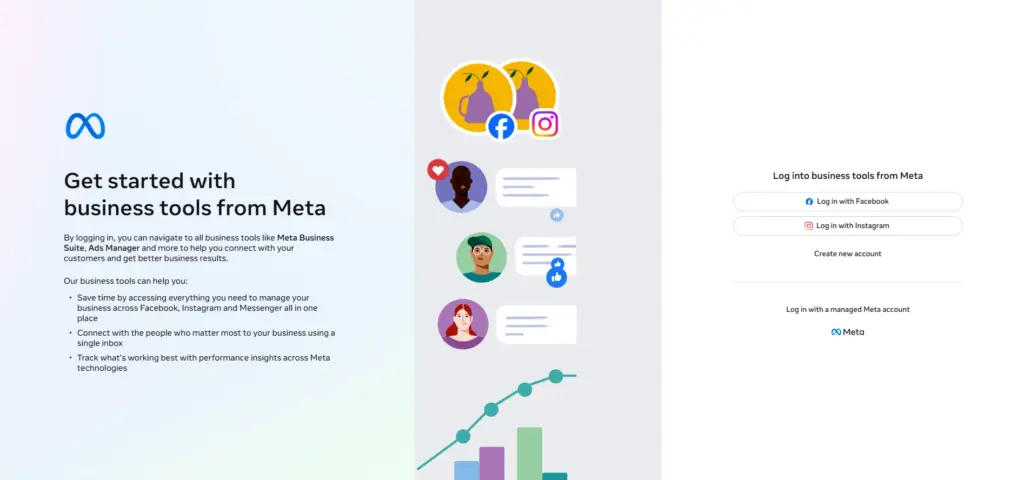
Meta Ads Manager is the control center for running campaigns across Facebook and Instagram. The targeting is some of the most sophisticated in digital advertising demographics, interests, behaviors, custom audiences, lookalikes and Advantage+ has shifted a lot of the heavy lifting to machine learning. Feed it strongly, creatively and it tends to reward you. Measurement runs through the Meta Pixel and Conversions API (CAPI). Best for: Performance-driven campaigns where audience targeting and creative testing are the lever.
Google Display & Video 360 (DV360)
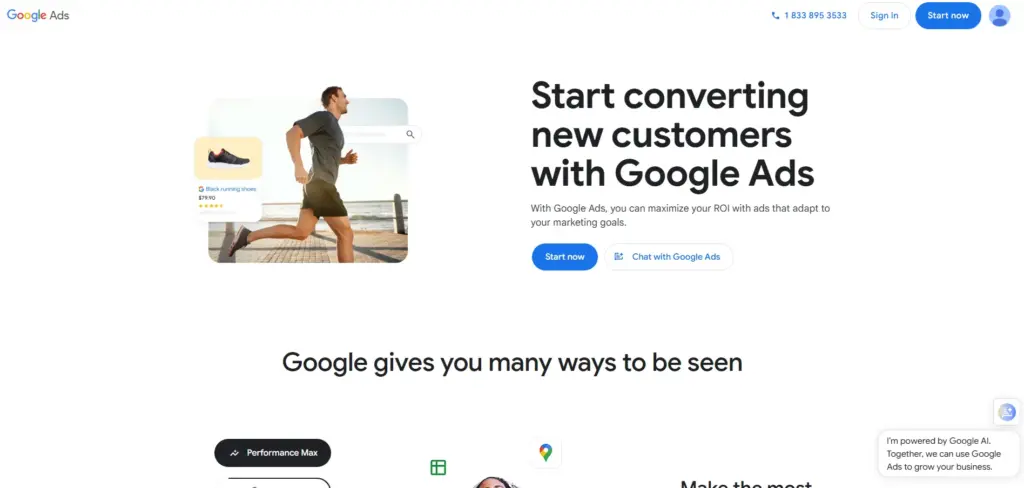
DV360 is Google’s Demand-Side Platform (DSP) the tool for running campaigns across display, video, audio, and CTV at scale. It integrates with Google Analytics and YouTube, supports automated bidding, and gives advertisers access to premium publisher inventory worldwide, all under one roof. Best for: Full-funnel, multi-channel campaigns where scale and Google’s inventory depth matter.
Yep Ads
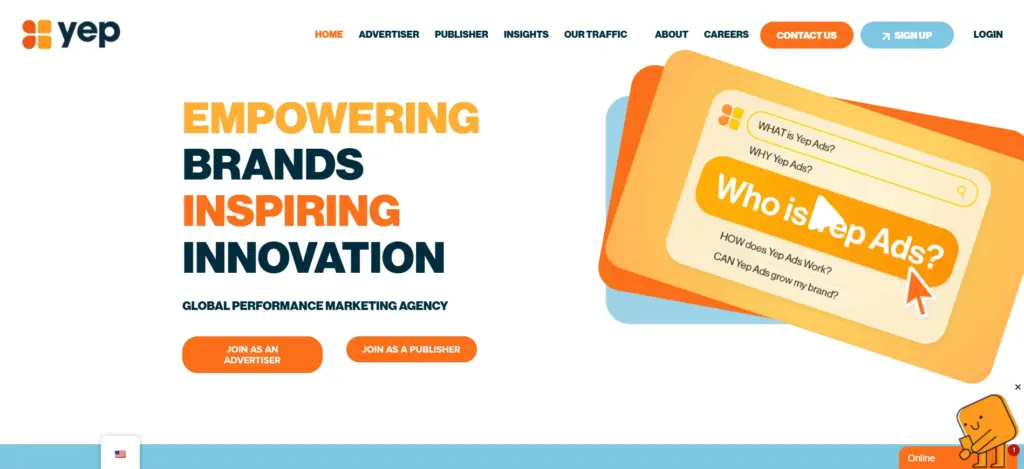
Yep Ads is a global performance marketing agency that connects brands with publishers, affiliates, and premium placements across search, social, native, review sites, card-linked offer networks, and more. Rather than buying impressions through a self-serve tool, you get a managed performance channel – one where placements are matched to your offer and audience, and you only pay when a real result happens. Best for: Brands looking to scale through performance-based media buying across premium and hard-to-access placements.
TikTok Ads Manager
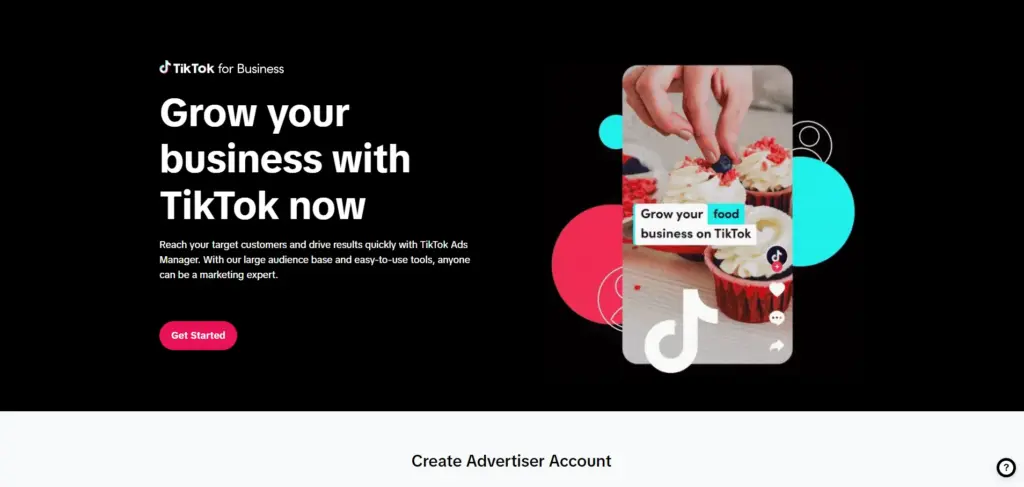
TikTok’s ad platform for short-form video campaigns. The algorithm is genuinely powerful here content that resonates organically tends to carry over into paid too. Formats like In-Feed Ads, Spark Ads, and TopView give brands options depending on how much they want to blend in versus stand out. Best for: Short-form video and reaching younger audiences with creative that actually fits the platform.
X Ads
X is built for real-time and conversation-driven marketing. It targets users based on interests, keywords, and live conversations which makes it particularly useful for brands that want visibility during trending moments, live events, or cultural conversations as they happen. Best for: Real-time marketing and trend-based engagement.
Media Buying Tips
Whether you’re just getting started or looking to improve performance, here are key media buying tips to guide your campaigns.
1. Build a Clear Strategy
Before launching any campaign, start with a defined strategy. When budgets are limited, every dollar needs to work harder, so clarity is critical.
An effective approach is to think omnichannel doesn’t rely on just one platform. Combining channels like Google, Meta Platforms, and TikTok allows you to reach users at different stages of the funnel.
Align your media plan with three core elements:
- Your campaign goals (awareness, traffic, conversions)
- Your available budget
- Your target audience behavior
A strong strategy ensures your campaigns are focused, measurable, and scalable.
2. Know Your Audience and Where to Reach Them
Understanding your audience is just as important as choosing the right platform.
Start by identifying who your ideal customer is, then test where they spend their time. Different platforms serve different purposes:
It’s not just about choosing platforms, but understanding how your audience behaves on each one. Some channels are better suited for education and product storytelling, while others are built for discovery and quick engagement. For example, video-driven environments can be highly effective for demonstrating value and building trust, while native placements allow brands to connect with users in a more seamless, content-driven experience.
There’s also a strong advantage in exploring channels that aren’t yet saturated. Brands that experiment early often benefit from lower costs and higher engagement before competition increases.
The key is to stay flexible test different channels, analyze performance, and double down on the environments where your audience is most responsive.
3. Set Up Campaigns with the Right Approach
When it comes to execution, you’ll typically choose between programmatic buying (via DSPs) or direct placements.
Programmatic platforms like Google Display & Video 360 automate the buying process, allowing you to reach specific audiences at scale with real-time bidding. This is efficient, but requires close monitoring to ensure performance stays on track.
On the other hand, direct deals with publishers offer more control and premium placements, which can be valuable for niche audiences or brand-focused campaigns.
The key is to:
- Clearly define targeting parameters
- Set realistic budgets and bids
- Continuously monitor delivery and performance
A well-structured setup prevents wasted spend and sets the foundation for optimization.
4. Track Performance and Optimize Continuously
Launching a campaign is just the beginning; real success comes from ongoing optimization.
Track key performance metrics such as:
- Click-through rate (CTR)
- Conversion rate
- Cost per acquisition (CPA)
- Engagement and time on site
Use these insights to make data-driven adjustments. Even small changes like refining your audience, updating creatives, or adjusting timing can significantly improve results.
No campaign is perfect from the start. The goal is to test, learn, and iterate quickly to maximize ROI.
Media Buying Tips That Actually Move the Needle
Media buying isn’t just about spending money in the right places it’s about spending it smartly. Here are the principles that separate brands that scale from brands that burn budget and wonder what went wrong.
1. Build a Strategy Before You Build a Campaign
This sounds obvious. You’d be surprised how many brands skip it.
Before you touch a single ad platform, get clear on three things: what you’re trying to achieve, what you have to spend, and who you’re actually trying to reach. A campaign built around vague goals and a gut feeling about your audience is expensive guesswork.
The strongest media buying strategies are omnichannel meaning they don’t bet everything on a single platform. Combining channels like Google, Meta, and TikTok lets you reach your audience at different stages of their decision journey.
Align your media plan around:
- Your campaign goal (awareness, traffic, or conversions pick one to lead)
- Your budget, and how far it realistically goes per channel
- Where your audience actually spends their time and attention
2. Know Your Audience Better Than the Platforms Do
Every ad platform will tell you it can reach your ideal customer. That’s true. What it won’t tell you is whether your customer behaves the same way on TikTok as they do on Google because they don’t.
Different channels serve different moments. Search captures the intent of someone actively looking for a solution right now. Social captures discover someone who didn’t know they needed you yet. Native captures consideration of someone in research mode, reading and evaluating. Understanding which moment your audience is in when they encounter your ad changes everything about how you show up.
There’s also a real edge in moving early on channels that aren’t yet saturated in your category. Brands that experiment on a new platform before their competitors do almost always benefit from lower costs and stronger engagement before the auction gets crowded.
Stay flexible. Test channels, analyze what the data is actually telling you, and double down on the environments where your audience responds.
3. Set Up Your Campaigns to Learn, Not Just Deliver
When it comes to execution, you’ll typically choose between programmatic buying through Demand-Side Platforms (DSPs) like Google Display & Video 360 or direct placements negotiated with publishers.
Programmatic automates the buying process, uses real-time bidding to reach specific audiences at scale, and is efficient when monitored closely. Direct deals give you more control, access to premium placements, and are often better suited for niche audiences or brand-focused campaigns where precision matters more than scale.
Whichever route you take, set your campaigns up to generate learning, not just spend:
- Define your targeting parameters before you go live, not during
- Set realistic budgets and bids based on what a conversion is actually worth to you
- Monitor delivery regularly not just results, but how the budget is being spent
A well-structured setup prevents wasted spend and gives you something to actually optimize.
4. Optimize Like It’s Your Job Because It Is
Launching a campaign is the starting line, not the finish line. The brands that get the best results from media buying are the ones that treat optimization as an ongoing process, not a quarterly review.
Track the metrics that actually tell you something:
- CTR (Click-Through Rate): Are people engaging with the ad?
- Conversion Rate: Are those clicks turning into anything?
- CPA (Cost Per Acquisition): What are you actually paying per customer?
- Engagement and time on site: Are people sticking around once they arrive?
Small adjustments tightening your audience, refreshing creative, shifting budget toward what’s performing compound over time. No campaign comes out of the gate perfect. The goal is to test fast, learn faster, and scale what’s working.
How an Agency Like Yep Ads Buys Media for Brands
Here’s where most media buying guides stop. They walk you through the channels, name-drop the platforms, and leave you to piece together the rest. We’re going a step further because the part most brands wish they’d understood sooner is what it actually looks like to have someone do this well on your behalf, which is exactly the question our guide to choosing an affiliate marketing agency digs into.
1. We Match Your Goals to the Right Channels
Not every goal needs every channel, and spreading budget thin across everything rarely works. We start by understanding what a win looks like for your brand then we build the channel mix around that.
Driving qualified insurance calls? Pay-per-call campaigns and search ads targeting high-intent keywords. Scaling a finance app? CPI (Cost Per Install) campaigns across native and social, with card-linked offer integrations layered in. Growing an e-commerce brand? A combination of paid social, retail media, and CPS (Cost Per Sale) deals through review sites and cashback affiliates.
2. We Get Your Brand Into Placements You Can’t Buy Directly
Through our network of direct publisher relationships, we place your offers across premium review sites, editorial blog partners, comparison platforms, and card-linked offer networks. These placements are negotiated directly with publishers, run on performance terms, and sit in brand-safe editorial environments you can’t access through a standard ad platform.
3. We Handle the Tracking and Compliance Layer
Every campaign runs with proper tracking, fraud prevention, and compliance controls built in from day one. For regulated verticals insurance, finance, health, legal this matters even more. TCPA compliance, lead validation, and call-quality checks aren’t optional. They’re the foundation of a campaign that can actually scale without creating problems down the line, and one reason brands lean on us to increase lead quality rather than just chasing volume.
4. You Pay for Outcomes, Not Impressions
Most ad platforms charge you for showing up whether your ad converts or not. You pay for the click, the view, the impression. The result is your problem.
Performance marketing works differently. You define what a conversion means to your business: a sale, a lead, an app install, a phone call and you only pay when that thing actually happens.
Running a CPA (Cost Per Acquisition) deal? You pay a fixed amount per customer acquired. CPL (Cost Per Lead)? You pay per qualified lead delivered, sometimes structured as a single opt-in (SOI) offer. CPS (Cost Per Sale)? You pay when a sale goes through. Pay-per-call? You pay when a real, qualified call comes in.
You set the payout that works for your margins. We drive the traffic. If it’s not converting, we don’t get paid so our incentive to perform is completely aligned with yours.
You know what a result costs before you scale. That makes growth a lot more predictable.
Final Thoughts
Media buying in 2026 rewards the brands that are strategic about it. More channels and more platforms means more opportunity but also more ways to spend without seeing returns.
The brands winning right now aren’t necessarily the ones with the biggest budgets. They’re the ones combining paid platforms like search, social, and video with premium performance placements review sites, editorial partnerships, card-linked offers and only paying for results they can actually measure.
If you want to add performance-based media buying to your mix, work with Yep Ads. We get your offers in front of premium publishers, top review sites, and card-linked networks and you only pay when real leads, calls, and sales come through.
FAQs
What’s the difference between media buying and paid advertising?
Paid advertising is the broader category any time you pay to put a message in front of an audience. Media buying is specifically the process of purchasing that ad space, including planning, negotiating, executing, and optimizing the buys.
Is performance marketing the same as affiliate marketing?
They overlap a lot. Affiliate marketing is one type of performance marketing specifically, partnerships where affiliates promote your offers and earn a commission per outcome. Performance marketing is the broader umbrella that also includes pay-per-call, programmatic CPA buys, and other outcome-based models.
How is media buying different from buying ads on Facebook or Google myself?
Running ads in Google Ads or Meta Ads Manager is one form of media buying usually called self-serve or in-platform buying. Full-scale media buying covers a much wider mix, including programmatic buys across the open web, premium direct placements, card-linked networks, and affiliate and CPA campaigns that you can’t access through self-serve platforms.
Can I get premium placements without working with an agency?
Sometimes, yes large brands often have the team and relationships to negotiate direct deals with top publishers. For most brands, an agency is the faster path because the relationships, tracking infrastructure, and compliance layer are already in place. You skip months of setup.
How do I know if performance-based media buying is right for my brand?
If you have a clear conversion event (a lead, a sale, an install, a call) and you can put a value on it, performance marketing is almost always worth testing. It works especially well for lead generation, e-commerce, app installs, insurance, finance, home services, and any vertical where you can measure outcomes.
You Might Also Like
- What Is Affiliate Marketing? A Full Guide for 2026
- What Is Pay-Per-Call? A Guide for Brands and Affiliates
- Brand Building vs. Short-Term Performance: Why the Smartest Brands Do Both
- Marketing Trends & Predictions for 2026
- What Is Brand Awareness? Why It Matters and How to Grow It
- What Is an Affiliate Marketing Agency? How to Pick the Right One
Share