
Amsterdam Bans Meat and Fossil Fuel Ads in Public Spaces
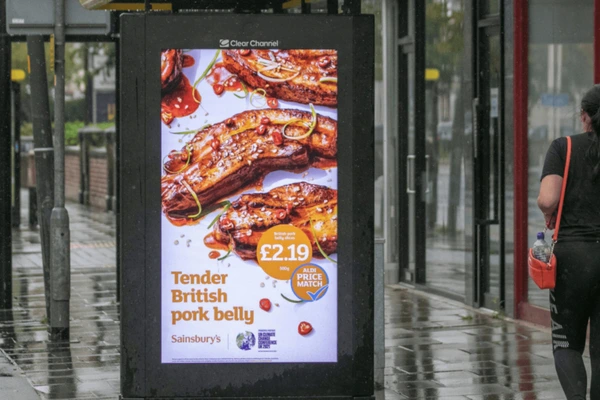
Amsterdam has taken a bold step in aligning its public spaces with its environmental goals, becoming the first capital city to prohibit advertisements for both meat products and fossil fuel-related industries. The policy, which came into effect on May 1 2026, removes promotions for items like burgers, airline travel, and petrol-powered vehicles from billboards, transit shelters, and metro stations across the city.
Instead, commuters are now more likely to see cultural promotions, such as museum exhibits and concerts, replacing what were once ads for fast food and low-cost travel.
Источник: plantbasednews
Оглавление
- Основные выводы
- What Does Amsterdam’s Advertising Ban Include?
- Why Amsterdam Banned Meat and Fossil Fuel Ads
- How the Ban Supports Amsterdam’s Climate Goals
- Criticism of Amsterdam’s Advertising Ban
- Will Amsterdam’s Ad Ban Change Consumer Behaviour?
- Why Other Cities Are Watching Amsterdam
- What Amsterdam’s Advertising Ban Could Mean for the Future
- Вопросы и ответы
Основные выводы
- Amsterdam has banned public advertisements for meat products and fossil fuel-related industries across city-controlled spaces.
- The ban applies to places such as billboards, transit shelters, and metro stations.
- The policy is part of Amsterdam’s wider climate strategy, including its goal of becoming carbon neutral by 2050.
- Supporters argue that reducing exposure to high-emission products could help shift public attitudes and encourage more sustainable choices.
- Critics say the ban may have limited impact because consumers are still exposed to digital advertising online.
- The policy has sparked debate around climate action, commercial freedom, government influence, and consumer choice.
- Amsterdam’s decision could become an important case study for other cities considering restrictions on high-emission advertising.
Why Amsterdam Banned Meat and Fossil Fuel Ads
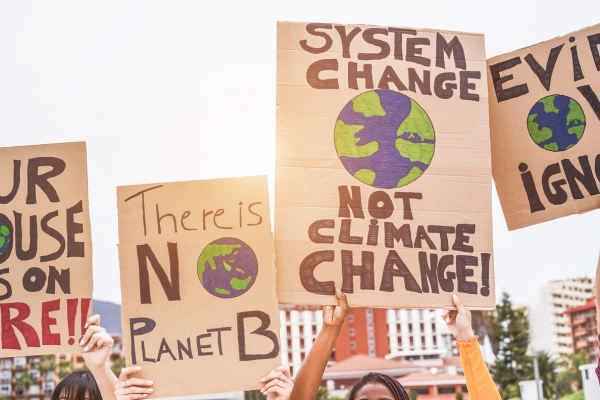
City officials say the move is intended to support Amsterdam’s broader sustainability targets, including achieving carbon neutrality by 2050. Reducing meat consumption is also part of that long-term strategy, as livestock production is a known contributor to greenhouse gas emissions.
Supporters of the ban argue that public advertising plays a powerful role in shaping social norms. By removing constant exposure to high-emission products, the city hopes to reduce their perceived desirability and encourage more environmentally conscious choices, a reminder of how deeply узнаваемость бренда influences everyday decisions.
Some advocates compare this approach to earlier restrictions on tobacco advertising, suggesting that limiting visibility can gradually shift public attitudes over time.
Criticism of Amsterdam’s Advertising Ban
Not everyone is convinced the policy will deliver meaningful results. Opponents argue that restricting ads in physical spaces does little to change behavior, especially in a digital-first world where consumers are still exposed to targeted promotions online a shift reflected in current marketing trends and predictions for 2026.
There are also concerns about government overreach. Critics see the ban as an attempt to influence personal decisions, raising questions about how far policymakers should go in guiding consumer behavior.
From an economic standpoint, industry groups have expressed frustration, stating that the policy unfairly targets specific sectors and limits their ability to compete in the marketplace.
Will Amsterdam’s Ad Ban Change Consumer Behaviour?
One of the key debates surrounding the ban is whether it will lead to measurable change or remain largely symbolic. While research suggests that advertising can influence consumption habits, there is limited direct evidence showing that removing certain ads leads to large-scale behavioral shifts — a tension that mirrors the ongoing debate between brand building and short-term performance.
However, some experts view Amsterdam’s policy as a valuable real-world case study. By observing changes over time, researchers may gain insight into how environmental messaging and reduced exposure to certain products impact consumer choices.
Why Other Cities Are Watching Amsterdam
Amsterdam is not alone in exploring restrictions on high-emission advertising. More than 50 cities around the world have introduced or are considering similar measures, particularly targeting fossil fuel promotions.
What makes Amsterdam’s approach distinct is the inclusion of meat advertising, reframing it as part of the climate conversation rather than solely a dietary choice.
What Amsterdam’s Advertising Ban Could Mean for the Future
Whether the ban leads to lasting behavioral change remains to be seen. Its real impact may depend on factors beyond public billboards, including digital advertising, pricing, and broader cultural shifts — areas where ad fatigue and exposure continue to reshape how messages land with consumers.
For now, Amsterdam’s decision highlights a growing tension between environmental policy, commercial freedom, and individual choice. As more cities consider similar actions, the results of this experiment could influence how governments approach climate-related messaging in the future.
Для Мы, a company founded in Amsterdam, the decision is particularly close to home. It also highlights how rapidly changing environmental policies can reshape the advertising landscape for brands, publishers, and marketers operating in major cities.
Вопросы и ответы
When did Amsterdam’s meat ad ban come into effect?
The policy came into effect on May 1, 2026.
What types of ads are banned in Amsterdam?
The ban covers advertisements for meat products and fossil fuel-related industries. This may include promotions for burgers, airline travel, petrol-powered vehicles, and fossil fuel companies.
Will Amsterdam’s meat ad ban reduce emissions?
It is too early to know whether the ban will directly reduce emissions. Supporters believe it could influence social norms over time, while critics argue that its practical impact may be limited.
Are other cities banning fossil fuel ads?
Several cities have introduced or considered restrictions on fossil fuel advertising. Amsterdam’s policy stands out because it also includes meat products.
What could Amsterdam’s ban mean for marketers?
The ban shows how environmental policy may increasingly affect advertising strategy, especially for brands linked to high-emission products or industries.
Вам также может понравиться
- Marketing Trends & Predictions for 2026
- Brand Building vs Short-Term Performance: Why the Smartest Brands Do Both
- What Is Brand Awareness? Why It Matters and How to Grow It
- Ad Fatigue: Myth or Truth?

Поделиться