How to Start an Affiliate Program: A Step-by-Step Guide for Brands and Small Businesses
Thinking about launching an affiliate program but not sure where to start? Good news you’ve come to the right place, and this is genuinely one of the best decisions you can make for your brand’s growth. Affiliate marketing, also known as performance or partner marketing has quickly become one of the most effective ways for brands to drive revenue online. U.S. affiliate marketing spending is expected to surpass $13 billion in 2026, up from under $10 billion just three years ago. And with over 80% of brands already running some form of affiliate program, it’s clear this channel is here to stay.
But what exactly is an affiliate program, how does it work, and how do you build one that actually delivers? As a global performance marketing agency, Yep Ads works with brands and affiliates every day so in this guide, we’ll break it all down step by step so you can launch a program that fits your brand, attracts the right partners, and increases your sales.
- Affiliate marketing is a performance-based channel where you only pay when real results happen sales, leads, or installs.
- Setting clear goals, choosing the right commission model, and defining program policies are essential before you recruit a single affiliate.
- The best affiliate programs invest in onboarding, creative assets, and ongoing communication to keep affiliates motivated and performing.
- Tracking, fraud prevention, and competitive analysis are what separate programs that scale from ones that stall.
- Working with an experienced affiliate agency or network can save months of trial and error and connect you with pre-vetted, high performing affiliates.
Оглавление
- What Is an Affiliate Program?
- Is an Affiliate Program Right for Your Brand?
- How to Start an Affiliate Program: 8 Steps
- Best Practices for Managing Your Affiliate Program
- Заключительные размышления
- Вопросы и ответы
What Is an Affiliate Program?
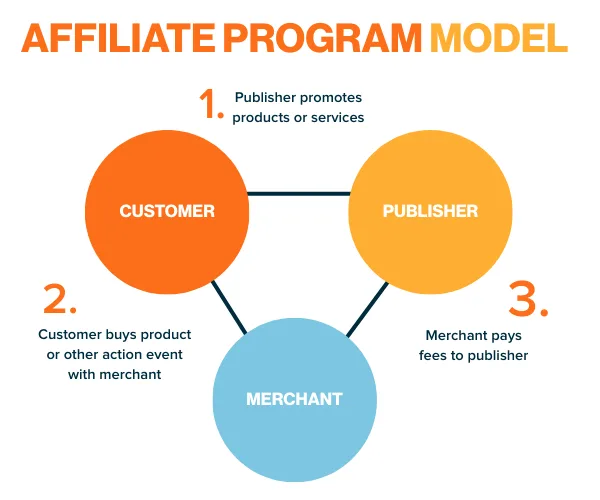
An affiliate program is an arrangement where your brand pays external partners, affiliates (also called publishers), a commission for sending you traffic, leads, or sales. Affiliates promote your products through their own channels (blogs, social media, email, YouTube, TikTok, etc.) using unique tracking links. When someone clicks that link and takes a desired action like making a purchase or signing up for a trial the affiliate earns a commission.
Источник изображения: Мы
Commissions are typically based on sales, leads, or specific actions like app downloads or free trial sign-ups. Some programs also pay based on clicks or impressions, though performance-based models are far more common today.
The appeal is straightforward: you only pay when results happen. That makes affiliate marketing one of the most cost-efficient acquisition channels available. It currently accounts for roughly 16% of all ecommerce sales, and brands report earning an average of $12 for every $1 spent on the channel.
Is an Affiliate Program Right for Your Brand?
Before you dive into the how-to, it’s worth asking: is an affiliate program the right move for your brand right now? Ranging from physical items to digital subscriptions (SAAS), performance marketing can be effective to increase traffic to your offers. To decide whether an affiliate program is a good fit for your brand, answering these questions could give you more clarity.
What types of businesses benefit most?
Affiliate programs work especially well for
- Ecommerce
- Subscription services (SaaS)
- Health and beauty
- Технология
- Финансы
The honest answer? If you have an offer that converts, affiliate marketing can work for you.
If you sell a product or service online and can track conversions, you’re a strong candidate. Subscription-based businesses have an extra advantage: you can recoup commission costs every time a referred customer renews.
Can your brand handle the growth?
An affiliate program should drive more business your way, so make sure you’re ready for it. Here are some significant demands your brand should be equipped to handle.
- Fulfill increased orders or handle higher service demand without quality slipping.
- Provide solid customer support to new leads and customers coming from affiliate channels.
- Budget for commission payouts is a real cost, though it’s tied directly to revenue.
- Support your affiliates with onboarding, creative materials, and ongoing communication.
- Offering competitive commission rates to attract high quality affiliates to join your program
If your brand checks most of these boxes, you’re in great shape. For a deeper look at whether affiliate marketing is the right fit, check out our guide on why your brand should embrace affiliate marketing.
How to Start an Affiliate Program: 8 Steps
After confirming the decision to start an affiliate program, Follow this step by step guide:
Step 1: Define Your Goals and KPIs
This might sound obvious, but you’d be surprised how many programs skip this step and then wonder why things aren’t clicking six months in.
Every strong affiliate program starts with clear goals. Before you recruit a single affiliate or set a single commission rate, define what success looks like for your brand.
Start by asking yourself:
- What’s the primary objective? More sales? More leads? App installs? Brand awareness?
- What are the types of customers you want to attract with your program?
- What type of affiliates will enable you to reach these goals (bloggers, paid social, search ads)
- What revenue targets are you aiming for monthly, quarterly, or annually?
- How many unique affiliate driven conversions do you want per month?
Track metrics like clicks, impressions, conversion rates, and of course, revenue. Having multiple KPIs gives you a complete picture of how your program is performing. If one metric dips, you’ll know exactly where to dig in. Tools like your affiliate platform’s analytics dashboard or Google Analytics can help you monitor everything from day one.
Step 2: Choose How You’ll Run Your Program
You’ve got three main options here, and each comes with trade offs:
In house: You build and manage everything yourself. This gives you full control, but it takes serious time and resources from tracking setup to affiliate recruitment to fraud prevention. Best for brands with a dedicated marketing team and budget.
Affiliate network: Platforms like Impact, CJ, or ShareASale provide the infrastructure, tracking, and access to a marketplace of affiliates. You pay a fee, but you save a lot of time getting up and running. Keep in mind that even with a network, there are still details you’ll need to manage yourself including affiliate communication, technical issues, and payment delays.
Affiliate agency or managed service: An agency like Yep Ads manages and grows your affiliate program handling affiliate recruitment, campaign optimization, compliance, and performance tracking. This is a good fit for brands that want expert management without building an in-house team. Many brands start with a network or agency and bring things in-house later as they scale. The key is choosing an approach that matches your current resources and growth timeline. Learn more about the options in our full guide to affiliate marketing.
Источник изображения: Мы
Step 3: Select Which Products or Services to Promote
Not everything in your catalog needs to be part of your affiliate program. Focus on products or services that:
- Have strong margins that can absorb commission costs without eating into profitability.
- Are easy for affiliates to understand and promote complex B2B products with long sales cycles may be harder to drive through affiliates.
- Appeal to the audiences your target affiliates already reach.
- Have proven demand or are trending in your industry.
For ecommerce brands, top performing affiliate categories typically include fashion, health and beauty, wellness, home goods, and consumer electronics. SaaS companies often see strong results promoting free trials or freemium products, since the barrier to entry is low for the end customer.
Think about it from the affiliate’s perspective: would they be excited to promote this? If the product is compelling and the commission is fair, good affiliates will jump at the opportunity.
Step 4: Set Your Commission Structure
Your commission structure is one of the biggest factors in attracting (and retaining) quality affiliates. Get it right, and you’ll build a motivated partner network.
Here’s a general breakdown of common commission models:
Cost Per Sale (CPS): Affiliates earn a percentage of each sale they drive. This is the most common model for ecommerce.
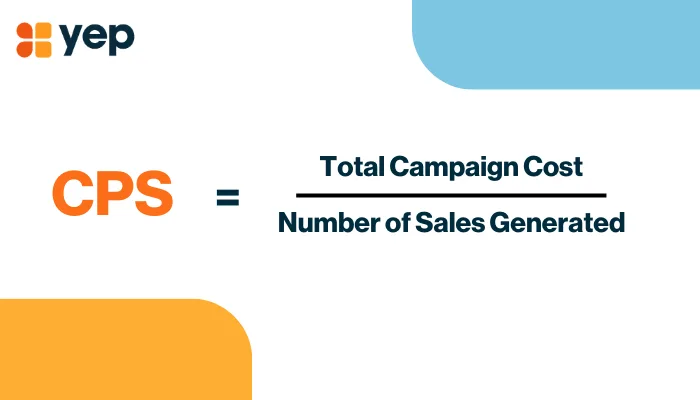
Cost Per Lead (CPL): Affiliates earn a flat fee for each qualified lead (form submission, sign-up, etc.). Common in finance, insurance, and education verticals.
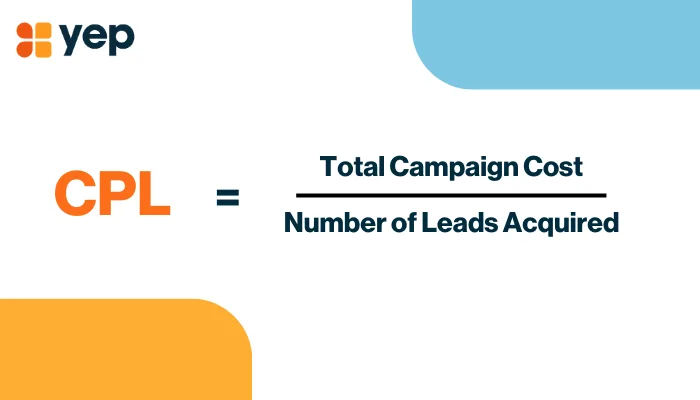
Cost Per Acquisition (CPA): Affiliates earn a commission each time a user completes a defined action whether that’s a purchase, a lead form, an app install, or a free trial sign-up. It’s the most flexible payout model, letting you align affiliate incentives with whatever conversion matters most to your campaign.
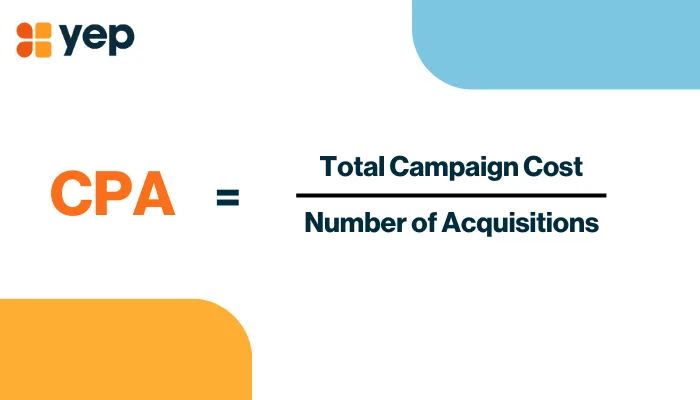
There’s no single right answer here the best model is the one that makes your offer compelling to affiliates while keeping your margins healthy. Don’t overthink it to start.
When setting your rates, calculate your customer acquisition cost (CAC) and customer lifetime value (CLV). Your commission should always be lower than your CLV to maintain profitability. It’s also important that your rates are competitive within your industry competitive commission rates are what attract quality affiliates in the first place. At Yep Ads, when onboarding new advertisers we typically discuss recommended CPA rates based on our experience across verticals and our existing partner network, so brands launch with rates that are positioned to perform. Many successful programs also use tiered commissions or performance bonuses to reward top performing affiliates, which creates a positive incentive. For a deeper dive into CPA models, check out our guide to CPA marketing.
Step 5: Create Your Program Policy
A clear, written program policy protects your brand and sets expectations for affiliates from day one. Don’t skip this step it’s what separates professional programs from ones that attract bad actors.
Your policy should cover:
- Payout schedule and payment methods (e.g., PayPal, wire transfer, net-30 terms).
- Approved and restricted promotional methods (e.g., is paid search bidding on your brand name allowed?).
- Cookie duration how long after a click does the affiliate get credit for a conversion? 30 days is a common standard, but this varies.
- Restricted keywords, content types, or marketing channels.
- Product exclusions (e.g., heavily discounted items, loss leaders).
- Compliance requirements are especially important for regulated industries like finance or health.
Being upfront about your rules actually attracts better affiliates. Serious publishers want to work with brands that take compliance seriously, because it protects them too.
Step 6: Pick Your Affiliate Agency, Platform or Network
Your affiliate platform is the engine that makes everything work tracking clicks, attributing conversions, managing payouts, and giving you the data you need to optimize.
When evaluating platforms, look for:
- Real time tracking and accurate attribution across devices and channels.
- Fraud detection tools to catch click spamming, bot traffic, and other shady tactics.
- A clean, intuitive dashboard for both you and your affiliates.
- Flexible commission structures (flat rate, percentage, tiered, recurring).
- Robust reporting with granular breakdowns (by affiliate, campaign, geography, etc.).
- Easy integrations with your ecommerce platform, CRM, or analytics tools.
Working with an affiliate agency like Мы gives you access to platform infrastructure и expert management which can be a game-changer if you don’t have in-house affiliate expertise.
Step 7: Build Your Affiliate Marketing Material
Your affiliates need the right tools to promote your products effectively. Provide them with ready-made marketing materials ranging from banners, email templates, product images, and landing pages so your brand messaging stays consistent across every channel.
Keep these materials up to date. When affiliates have fresh, relevant creatives on hand, they perform better and stay engaged with your program longer. If you need help building these out, Yep Ads has an in-house creative team that can develop affiliate-ready assets for your program.
Step 8: Recruit the Right Affiliates
This is where your program comes to life. The quality of your affiliates will directly determine the quality of your results.
Look for affiliates who:
- Produce quality content and have an engaged, relevant audience.
- Are selective about what they promote this means their recommendations carry weight.
- Have a solid understanding of marketing fundamentals SEO, email marketing, social media, or paid media.
- Operate in your niche or a complementary space.
- Have their own established sales funnels and traffic sources.
Once you know what to look for in potential affiliates, it’s time to take action. Learn more about the ways to find reliable and effective affiliates in our full guide
Best Practices for Managing Your Affiliate Program
Launching is just the beginning. You want to know the best practices to actively manage and optimize their program, here are the best practices.
Onboard, Train, and Support Your Affiliates
Treat onboarding like you would for a new hire. Brief your affiliates on your brand story, product details, target audience, and program terms. Give them their tracking links, creative assets, and a clear point of contact for questions. A one-pager or welcome deck makes this a lot easier, something they can reference quickly without having to dig through emails. The easier you make it to get started, the faster they start promoting.
Regular check-ins go a long way. The best affiliate managers don’t just wait for results they proactively help affiliates optimize their campaigns, share performance insights, and flag new opportunities. A supported affiliate is a profitable affiliate. When you partner with Yep Ads, all of this is handled for you from onboarding and creative assets to ongoing affiliate communication and performance management.
Track Performance and Optimize Relentlessly
Your affiliate tracking platform should give you visibility into:
- Which affiliates are driving the most revenue (and which are underperforming).
- Conversion rates by affiliate, campaign, and traffic source.
- Average order value and customer lifetime value from affiliate driven customers.
- Click to conversion time and cookie attribution.
If your program isn’t hitting targets, don’t just throw more affiliates at the problem. Dig into the data. Maybe your commission rates need adjusting. Maybe certain affiliates need better creatives. Maybe your landing page is the bottleneck. Data driven optimization is what turns a good program into a great one.
Protect Your Program With Smart Fraud Prevention
Every marketing channel has its challenges, and affiliate marketing is no different. The good news is that with the right tools and processes, fraud is highly manageable. A few things to have in place:
- Use a platform with built-in fraud detection click-level monitoring, IP filtering, and conversion velocity checks.
- Set clear approval processes for new affiliates before they go live.
- Review traffic patterns regularly so you can catch anything unusual early.
This is one of the biggest advantages of working with an experienced affiliate agency. At Мы, fraud prevention is built into how we operate from publisher vetting to real-time traffic monitoring so you can focus on growth, not guesswork.
Analyze Competitors Affiliate Programs
Keep an eye on what your competitors are doing with their affiliate programs. Look at:
- Their commission rates and structures are they offering more than you?
- What types of affiliates they’re working with.
- Their cookie duration and payout terms.
- The creative materials and landing pages they’re providing affiliates.
A competitive analysis helps you spot gaps in your own program and find opportunities to stand out. If your competitors are offering 10% commissions and you’re at 8%, you might be losing top affiliates. On the flip side, if your onboarding experience and creative assets are better, affiliates may choose you even at a slightly lower rate.
The brands that win at affiliate marketing aren’t always the ones with the biggest budgets they’re the ones paying the closest attention. Small tweaks, consistently applied, compound into a serious competitive advantage.
Заключительные размышления
Affiliate marketing is one of the most cost effective ways for brands to grow online. It’s performance based, scalable, and when managed well, delivers some of the strongest ROI of any marketing channel. Whether you’re in ecommerce, SaaS, health and beauty, or finance an affiliate program can open up new revenue streams without the risk of upfront ad spend.
If you’ve decided this is the right path for your brand, the next steps are straightforward: research your industry competition, build out your program structure and commission rates, and find the right affiliate network or agency to help you reach your goals. It doesn’t have to be perfect on day one. The best programs we’ve seen started simple, then grew into something powerful because the team behind them stayed curious, kept optimizing, and treated their affiliates like real partners.
На сайте Мы, we help brands grow their affiliate programs from recruiting the right affiliates and optimizing campaigns to increasing sales and managing performance. Ready to get started? Let’s talk.
Вам также может понравиться:
- What Is Affiliate Marketing? A Full Guide for Brands and Publishers
- Почему ваш бренд должен принять партнерский маркетинг
- Retail Affiliate Programs in 2026: Top Industry Insights
- How to Create an Affiliate Website in 2026
- Brand Building and Performance Marketing: Working Together
Вопросы и ответы
- How much does it cost to start an affiliate program?
The cost depends on how you set it up. If you join an affiliate network or use a SaaS platform, expect monthly fees ranging from a few hundred to a few thousand dollars, plus your commission payouts. If you work with an agency, many operate on a performance basis, meaning costs are tied to results. The beauty of affiliate marketing is that commissions are only paid when conversions happen so your main upfront investment is in platform fees, creative assets, and time spent on program setup.
- How long does it take for an affiliate program to show results?
Most affiliate programs take 3–6 months to gain real traction. The first month or two is typically spent recruiting affiliates, onboarding them, and getting initial campaigns live. Results tend to compound over time as more affiliates join, learn your products, and optimize their promotions. Brands that actively manage their programs providing fresh creatives, running promotions, and communicating regularly tend to see faster ramp-up.
- Should I run my program in-house or work with an agency?
It depends on your resources and expertise. Running in-house gives you full control but requires dedicated headcount, platform knowledge, and fraud monitoring. Working with an agency like Мы lets you tap into an established affiliate network, expert management, and advanced tracking without building everything from scratch. Many brands start with an agency to get their program off the ground and then transition parts of it in-house as they scale.
- What commission rate should I offer affiliates?
There’s no one-size-fits-all answer. Physical product commissions typically range from 5–25%, while digital products and SaaS can go higher (20–70%) because of lower fulfillment costs. The key is to balance competitiveness with profitability. Calculate your customer lifetime value (CLV) and make sure your commission is always lower than your CLV. Tiered structures and bonuses for top performers are a great way to keep affiliates motivated without overcommitting on base rates.
- How do I prevent fraud in my affiliate program?
Start with a solid vetting process for new affiliates don’t let just anyone in. Use an affiliate platform with built-in fraud detection, including click-level monitoring, IP filtering, and conversion velocity checks. Set minimum time-to-conversion thresholds and review traffic patterns regularly. Working with a trusted affiliate agency that prioritizes compliance and fraud prevention is one of the most effective ways to protect your program and your budget.