
Facebook Algorithm Changes 2026: An Affiliate’s Guide
In 2026, Facebook algorithm changes are reshaping how publishers and affiliates generate traffic. After years of decline in referral clicks, Facebook has made a surprising comeback. Referral traffic to publishers has quadrupled year-over-year, and engagement on posts has tripled.
For affiliates and publishers who depend on social platforms, this is a golden opportunity. Understanding how the new Facebook algorithm prioritizes content and adapting your strategy accordingly can help you capture more reach, boost engagement, and grow your revenue.
Key Takeaways
- March 24th 2026, Facebook introduced Affiliate Partnerships, allowing creators to tag products directly in posts and Reels.
- Facebook referral traffic is rebounding in 2026, with some publishers seeing 4x growth compared to 2025.
- The algorithm now favours engagement-based interactions (comments, shares) over passive likes.
- Content formats that perform best include photos and Reels.
- Publishers and affiliates can grow traffic by leveraging Groups, Reels, shareable content, and targeted ads.
- Staying agile with algorithm updates is key to sustaining results.
Table of Contents
- The Resurgence of Facebook Referral Traffic in 2026
- Understanding Facebook’s 2026 Algorithm
- Strategies for Affiliates and Publishers to Increase Traffic
- Challenges to Consider in 2026
- Key Dates and Facebook Changes in 2026
- FAQs on Facebook Algorithm Changes 2026
- Conclusion
The Latest Facebook’s 2026 Algorithm Update
Updated on July 15th 2026
Facebook Prioritizes Original Content in 2026
Facebook is placing greater emphasis on original content in Feed and Reels. Content filmed or produced directly by a Page or creator is generally considered original. Third-party clips can remain eligible for recommendations when the creator adds substantial analysis, new information, creative transformation or a materially different storyline.
Reuploads and low-value modifications may receive less distribution. This includes adding borders or captions to another creator’s video, changing its speed, combining clips without meaningful commentary or publishing reaction content that adds little beyond facial expressions.
For affiliates and publishers, this means that merely repackaging viral content is an increasingly risky growth strategy. Original demonstrations, comparisons, commentary, case studies and creator-led explanations are more likely to remain eligible for broad recommendations.
Facebook Affiliate Partnerships
While LinkedIn is pushing toward more expert-driven content, Facebook’s latest update is moving in another key direction: turning content into a direct sales channel.
On March 24th 2026, Facebook introduced Affiliate Partnerships, allowing creators to tag products directly in posts and Reels. Users can tap, view, and purchase without leaving the platform.
This isn’t just a monetization feature – it’s an algorithm signal.
Users can now:
- Tap on a tagged product inside a post
- View details instantly
- Complete a purchase directly through the partner platform
For creators, this means a much shorter path from content to conversion. For brands, it opens a new layer of performance-driven distribution inside Facebook’s ecosystem.
Want to turn social content into a real revenue channel? Yep Ads helps brands build and scale affiliate partnerships that drive measurable results.
Meta’s Andromeda Algorithm
Meta’s Andromeda Algorithm represents a major shift from static ad ranking to real-time, signal-driven optimization across placements, creatives, and audiences.
Instead of evaluating ads as fixed units, Andromeda breaks campaigns into micro-components and continuously recombines them based on live performance data.
At a technical level, the algorithm:
- Separates creative elements (headline, primary text, visuals, CTA)
- Tests them dynamically across multiple audience pockets
- Ranks combinations using probabilistic outcome modeling, not historical averages
- Reallocates budget automatically toward combinations with the highest predicted conversion likelihood
This means Meta is no longer “learning per ad” it’s learning per creative signal, per user, per moment.
New Performance Signals Meta Now Prioritizes
Andromeda relies less on surface-level metrics and more on deep engagement quality signals, including:
- Dwell time (how long users pause on your ad)
- Scroll-stop velocity (how quickly attention is captured)
- Post-click engagement (bounce rate, on-site behavior)
- Micro-conversions (partial form fills, button hovers)
- Creative freshness score (fatigue detected faster than before)
- Contextual relevance (content alignment with surrounding feed content)
- Historical user action patterns, not just recent interactions
These signals help Meta predict future conversion probability, not just immediate clicks.
The Resurgence of Facebook Referral Traffic in 2026
Recent reports highlight a notable rebound in Facebook’s referral traffic to news publishers. For instance, data from March 2026 reveals that Facebook referral traffic quadrupled compared to March 2025 for some publishers. This resurgence is attributed to several factors, including Meta’s revised approach to political and news content, which has led to more publisher content appearing in user feeds.
Additionally, engagement metrics have seen a significant uptick. A study by NewsWhip found that engagement on Facebook has tripled year-over-year for news publishers, with many top-performing posts being photo-based. This surge in engagement underscores the potential for publishers to leverage Facebook as a viable traffic source once again.
Understanding Facebook’s 2026 Algorithm
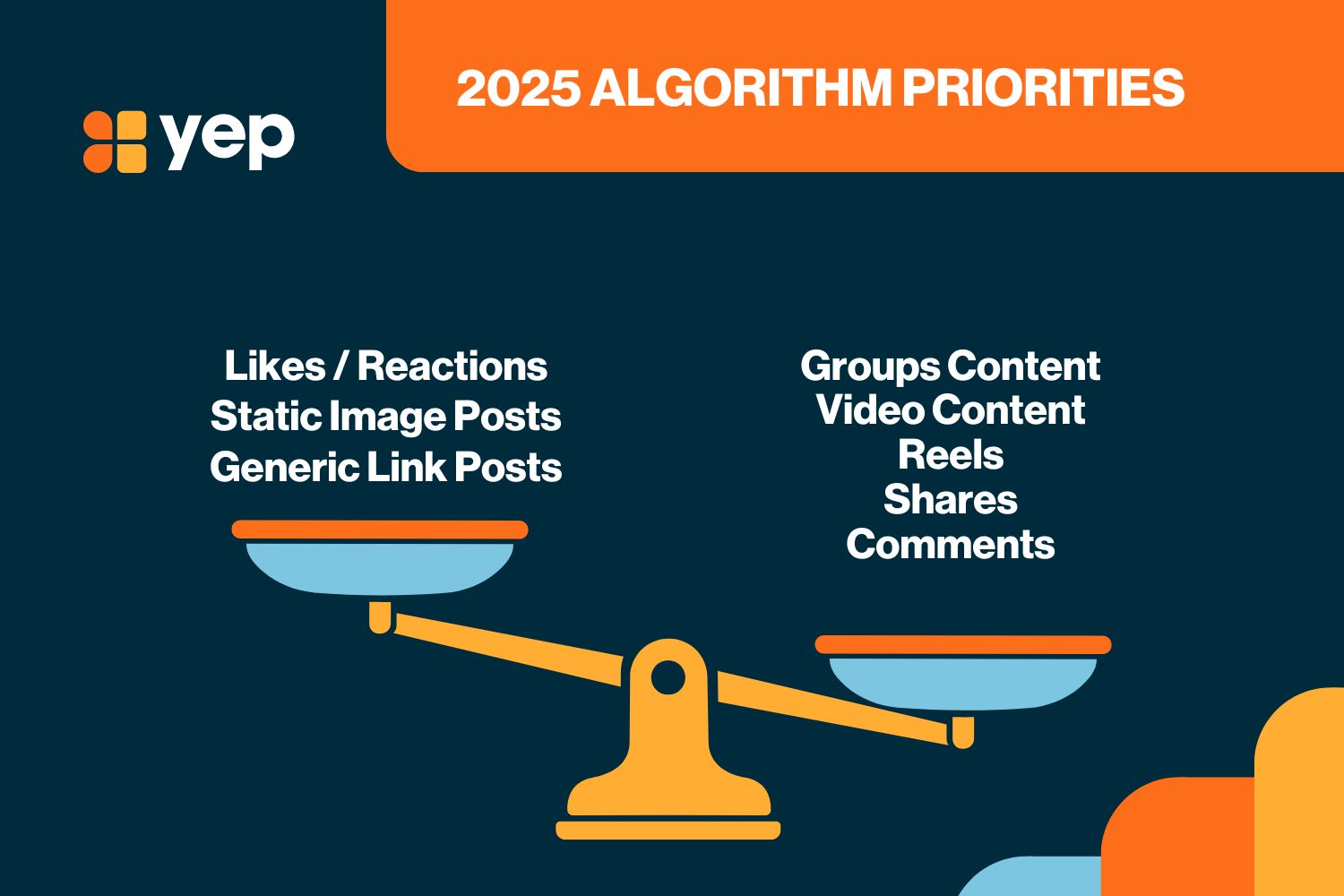
The 2026 Facebook algorithm prioritizes meaningful interactions. Shares and comments carry more weight than likes. Content from friends, family, and Groups is prioritized over brand or publisher content unless that content sparks strong engagement.
This shift necessitates a strategic approach to content creation, focusing on producing high-quality, engaging material that resonates with audiences and encourages active participation.
Strategies for Affiliates to Increase Facebook Traffic
To capitalize on the renewed potential of Facebook, publishers can implement several strategies:
Create Engaging, Shareable Content
Develop content that encourages sharing and interaction. This includes crafting compelling headlines, utilizing eye-catching visuals, and posing thought-provoking questions to stimulate discussion. Content that resonates emotionally or provides value is more likely to be shared, increasing its reach and visibility.
Leverage Facebook Groups
Participate in or create Facebook Groups related to your niche. These groups offer a platform for direct engagement with a targeted audience, allowing publishers to share content, gather feedback, and build a community around their brand.
Utilize Facebook Reels
Incorporate short-form video content through Facebook Reels. The algorithm favours this format, and it provides an opportunity to reach a broader audience. Ensure that Reels are informative, entertaining, and aligned with your brand’s voice to maximize engagement.
Optimize Paid Advertising
Invest in targeted Facebook ads to promote high-performing content. Utilize the platform’s advanced targeting options to reach specific demographics, ensuring that your content reaches the most relevant audience. Monitor ad performance and adjust strategies as needed to optimize results.
Encourage Newsletter Sign-Ups
Use Facebook as a tool to drive newsletter subscriptions. Offer exclusive content or incentives to encourage users to sign up, building a dedicated audience base that can be engaged beyond the platform.
Monitor and Adapt to Algorithm Changes
Stay informed about updates to Facebook’s algorithm and adapt your strategies accordingly. Regularly review performance metrics to identify what content resonates most with your audience and refine your approach to align with platform preferences.
Facebook Challenges to Consider in 2026
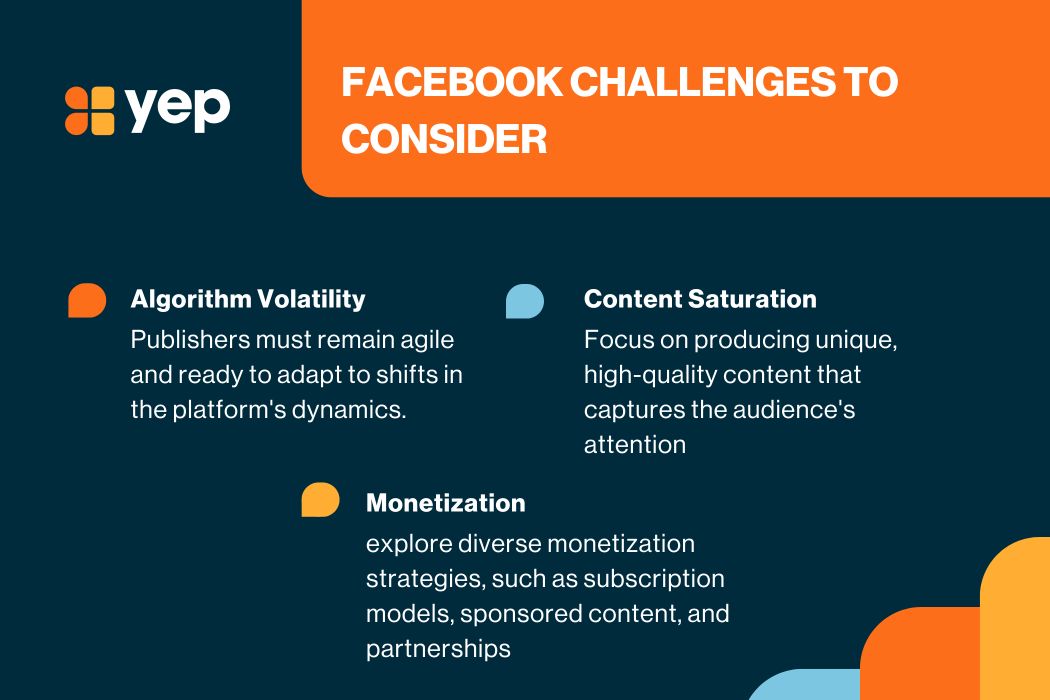
While the resurgence of Facebook presents new opportunities, publishers must also navigate several challenges:
- Algorithm Volatility: Facebook’s algorithm is subject to change, and strategies that work today may not be effective tomorrow. Publishers must remain agile and ready to adapt to shifts in the platform’s dynamics.
- Content Saturation: With the increase in content being shared, standing out becomes more challenging. Publishers must focus on producing unique, high-quality content that captures the audience’s attention.
- Monetization: While engagement metrics are improving, converting that engagement into revenue remains a hurdle. Publishers need to explore diverse monetization strategies, such as subscription models, sponsored content, and partnerships, to capitalize on their increased reach.
Key Dates and Facebook Changes in 2026
Affiliate Partnerships & Creator Fast Track Launch
Meta rolled out two major monetization and commerce programs:
-
Affiliate Partnerships: Creators can now tag products directly in posts and Reels, allowing users to make purchases directly through partner platforms.
-
Creator Fast Track: A program designed to entice external creators (from TikTok, YouTube, or Instagram) to Facebook by offering guaranteed monthly payouts (up to $3,000/month depending on follower tier) for posting a minimum of 15 Reels a month.
The Quiet Launch of ‘Forum’
Meta quietly launched a standalone Reddit-style discussion app called Forum. It features an “AI Ask” tab that directly crawls and pulls answers from public Facebook Group discussions, demonstrating Meta’s intent to index community conversations for AI search.
Facebook ‘AI Mode’ Search Rollout
Meta introduced AI Mode inside the native Facebook search bar. Instead of traditional keyword indexing, users can search using a conversational prompt powered by Meta AI. AI-powered photo and video editing tools for Stories and Reels were also launched alongside this update.
Page Insights API Metric Deprecations
Meta officially deprecated a massive list of unique reach and legacy 3-second video view metrics from the Facebook Page Insights API. Custom dashboards that relied on unique 28-day reach or viral versus paid reach percentages started returning empty values on this date.
Removal of ‘Off-Platform’ Data Opt-Out
In a massive change for e-commerce and retargeting, Meta removed the “Your activity off Meta technologies” opt-out setting. Users can no longer entirely prevent off-platform data (like website visits captured by the Meta Pixel) from being linked to their accounts. While users can still opt out of personalized ads, their web signals will now flow more continuously into Meta’s optimization models, bolstering custom audience sizes.
Digital Services Tax (DST) Ad Fees
Advertisers running international campaigns targeting European and select global markets saw budget adjustments. Meta implemented a location-based fee of up to 5% on ads delivered in the UK, France, Italy, Spain, Turkey, and Austria to offset local Digital Services Taxes.
Conclusion
Facebook’s return as a traffic powerhouse in 2026 is a rare second chance for publishers and affiliates. The algorithm rewards engagement, connection, and community — which means those who adapt quickly can ride the wave to significant growth.
By combining shareable content, Groups, Reels, and performance-driven ad strategies, you can position your brand to win in this new phase of Facebook marketing.
You Might Also Like
- Meta’s Andromeda Update: Facebook Algorithm Change
- New Social Traffic Sources For Affiliates in 2026
- TikTok Triumphs: Unlocking Audience Secrets from Media Powerhouses
- Successful Ad Formats to Make Your Audience Captivated
- Audience Analysis with AI: Advantage for Affiliate Marketers
FAQs on Facebook Algorithm Changes 2026
What is the new Facebook algorithm in 2026?
The 2026 algorithm prioritizes content that drives meaningful engagement (comments, shares) and favours posts from friends, family, and Groups.
How can affiliates and publishers get more traffic from Facebook?
Focus on highly engaging formats like Reels and photo posts, leverage Groups, and invest in targeted paid campaigns.
Is Facebook still a good referral source in 2026?
Yes. After years of decline, referral traffic has surged again, with some publishers seeing 4x more traffic than in 2025.
What type of content works best now?
Visual content — especially photos and Reels — along with posts that spark discussion and sharing.
Share