
How to Run an Affiliate Program Competitive Analysis
Two brands sell a near-identical product at a near-identical price. One signs the review site, the cashback partner and the niche newsletter within a quarter. The other keeps getting polite passes. The gap is rarely the product itself, it is the offer sitting behind the affiliate signup form.
An affiliate program competitive analysis tells you what that offer has to beat. Whether you are launching a program or trying to make an existing one more attractive, the research follows the same route.
What an affiliate program competitive analysis actually involves
It is a structured review of how competing programs are built, positioned and run, measured against your own. Affiliates are also called publishers, meaning the sites, creators and media owners who send you traffic in exchange for a share of the results. Publishers shop for programs the way consumers shop for products, comparing terms, payouts and reputation before they commit.
Yep Ads is a global performance marketing agency that works with both advertisers and publishers. We help advertisers launch and grow affiliate programs, and we connect them with a publisher network we’ve built and vetted over years of real partnerships. If you’re launching a program, fixing one, or just want to know how yours compares, we’re happy to talk.
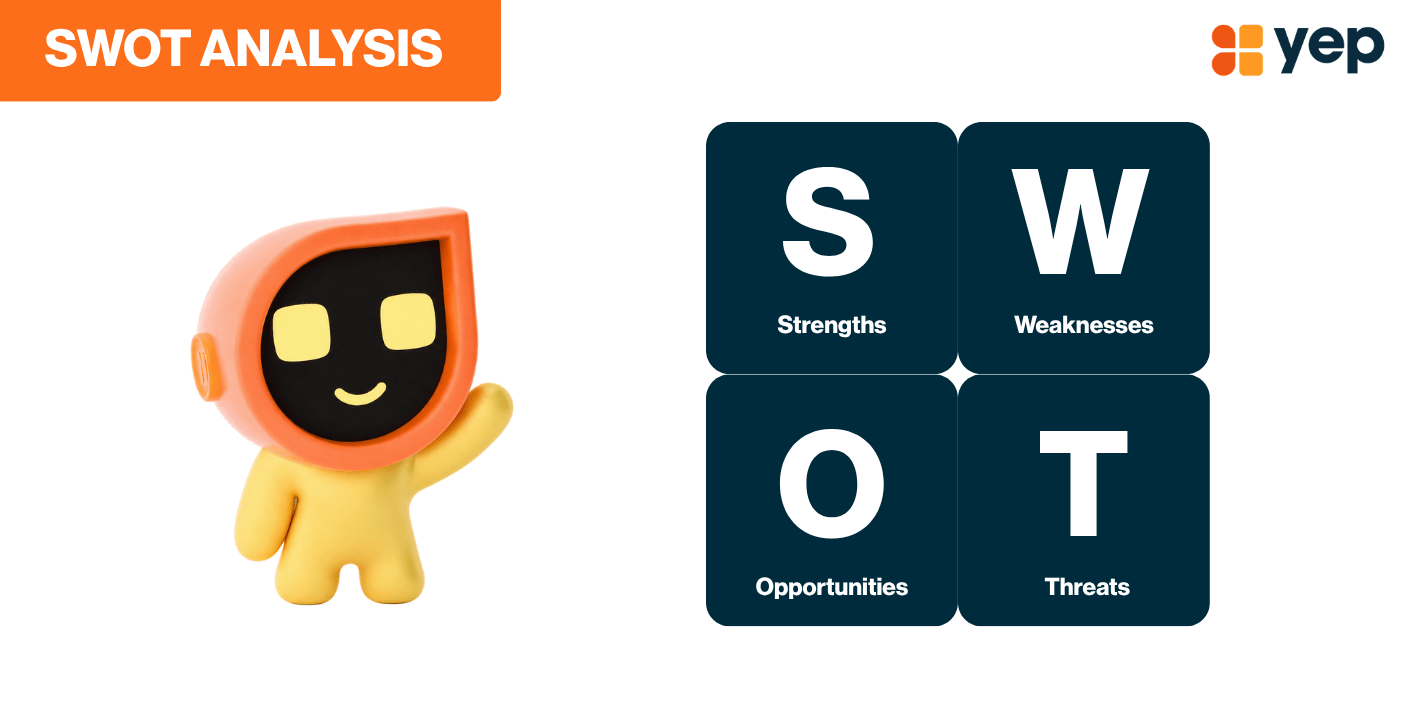
A SWOT affiliate program review keeps the findings organized instead of leaving you with a folder of screenshots:
- Strengths: where your program already beats the market margin headroom, brand demand, conversion rate, payout speed.
- Weaknesses: what pushes a publisher toward someone else, slow approvals, thin creative, a short cookie window.
- Opportunities: unclaimed ground partner types nobody is courting, weak coverage in a market, an untested incentive.
- Threats: what erodes results of a rival’s peak-season rate hike, exclusivity deals, compliance exposure from partner content.
Fill the buckets as you research, not at the end. Findings lose their edge once they are stripped of the context you found them in.
How to research competitor affiliate programs
Competitor affiliate program research runs in three passes, each one closer to the program than the last. Start with what rivals say in public, then look from the inside, then check what the market says back.
1. Audit competitor affiliate landing pages
Most brands have an affiliate or partner page linked in the footer of their website. If you can’t find it, search the brand name with “affiliate program” or look for it on the affiliate networks you already use.
Choose eight to twelve direct competitors and review their affiliate pages together. Look at what each program highlights first, what information is less noticeable, and what they leave out. Pay attention not only to things like commission rates and terms, but also to how they promote the program to potential affiliates.
These pages can tell you what competitors think affiliates care about most. For example, one brand might focus on high commission rates, while another may focus more on its reputation, products, or support for affiliates.
2. Study how competing programs are structured
Publishers work with many brands, so they know what makes an affiliate program easy to work with. Their feedback can quickly show you where your program could improve.
Start by talking to the partners you already have. Ask what they like about your program, what makes their job harder, and what would encourage them to send you more traffic. Common feedback may include faster approvals, better creative, clearer terms, reliable payments, and quicker communication.
You can also ask publishers who decided not to join your program. A simple message asking why they passed can give you useful feedback.
Public affiliate communities can help too. Forums, Facebook groups, Discord communities, and Reddit often include open discussions about different affiliate programs and the problems publishers run into.
3. Study competitor programs from the outside
The last pass answers something no dashboard will: who is actually promoting your competitors, and where is it working?
Search social platforms. Branded hashtags, discount-code mentions and tagged posts surface the partners a program does not advertise. Look for recurring names, the formats they use, and which posts earn real engagement rather than polite likes.
Check referral traffic. A traffic-analysis or SEO tool will show which domains and channels send a competitor meaningful volume. It is directional rather than exact, but a content site sitting consistently near the top is usually a partner, not a coincidence.
Turning affiliate program benchmarking into decisions
Affiliate program benchmarking only pays for itself if something changes. Walk back through the SWOT buckets and turn each entry into a decision with an owner and a date.
Rates are the obvious lever and rarely the right first one. Before matching a headline number, look at structure: a tiered rate, a new-customer premium or a category-specific rate usually beats a flat increase you will have to defend forever. Approval criteria deserve the same treatment: tighten them if you are absorbing low-quality traffic, loosen them if good publishers are stalling in a queue.
Tracking gaps leak revenue quietly. Cookie duration alone no longer describes how reliably a partner gets credited: Safari and Firefox have blocked third-party cookies by default for years, and while Google confirmed in April 2025 that it would keep its existing cookie-choice approach in Chrome rather than launch a standalone prompt, browser-based measurement keeps getting less dependable. That makes your tracking and attribution setup a recruitment asset, not just a reporting one. Set disclosure and brand-safety rules explicitly too the FTC’s endorsement guides expect disclosure that is clear, conspicuous and placed where a reader can weigh it, and the advertiser carries reputational exposure for how partners present them.
Managing a competitive affiliate program over time
Your analysis is a snapshot. Competing programs adjust rates seasonally and publishers renegotiate, so re-run a lighter version each quarter and a full one annually, or whenever you enter a new market.
Between reviews, managing an affiliate program means keeping these stages running at once rather than in sequence:
- Recruitment: build and work a prioritized list of publishers who already reach your buyers.
- Contracting and payouts: clear terms, predictable timing, and rates that reflect what each partner contributes.
- Tracking and attribution: reliable links, accurate credit, and a stack that does not depend entirely on the browser.
- Partner engagement: onboarding, creative refreshes, promo calendars and a real point of contact.
- Fraud and compliance monitoring: traffic quality, coupon and trademark breaches, missing disclosures.
- Optimization: read performance by partner, placement and cohort, then reallocate accordingly.
Handled together, these stages keep the advantages your research uncovered from quietly expiring.
Yep Ads works on both sides of this equation: with advertisers building measurable acquisition through performance and affiliate channels, and with publishers monetizing their traffic against offers that convert. If you are launching a program, rebuilding one, or just want a second read on how yours compares, our team is happy to talk it through with no pitch required.
You Might Also Like
Share
